
Maple Valley Directory Collections
There is no proven continuous Maple Valley-only city directory run. Before incorporation in 1997, the area was recorded through King County, rural districts, and nearby postal communities. The strongest search therefore moves across regional editions. Catalog years have real gaps, so a missing volume or name is not proof that a person was absent. Start with the edition whose stated scope best matches the old address, and keep Cedar River, Hobart, Kent, Renton, Tahoma, and rural-route wording in play.
| Collection | Years | Where Held | Access |
|---|---|---|---|
| King County directories | 1872-1991, with listed gaps | Washington State Library and regional archives | Catalog first; on-site or appointment |
| Seattle city directories | 1876 onward; archive run 1890-1990 | Seattle Public Library and Seattle City Archives | Selected scans, originals, and HeritageQuest |
| Seattle Suburban South | 1976-1991 listed years | Washington State Library | On-site; verify edition scope |
| King County Polk directories | 1914-1983 selected years | Puget Sound Regional Archives | Appointment, Wednesday-Friday |
| Local publications | Community and subject histories | Maple Valley Historical Society | Contact the society; no online name index |
The Washington State Library catalog lists exact King County, Seattle, Renton, Kent, and Suburban South years. Its public closure took effect July 1, 2025, with limited Thursday appointments from 1 to 4, so contact staff before travel. Puget Sound Regional Archives is the physical fallback for Polk books and older county material. It also holds records that can test an address found in a city directory.
Why Maple Valley Uses Regional Directories
Maple Valley began as a community long before it became a city. County records reach back into the territorial era, while the modern municipal identity starts on August 31, 1997. A historical entry may be filed under a county edition, another postal city, a school or fire district, or an older place name. Searching only “Maple Valley” can skip the most useful record.
The best insider method is edition-specific. Test King County first, then Seattle Suburban South, Renton, and Kent when the date and location support them. Read the title page and geographic scope before treating a hit as local. Seattle editions are helpful when a person moved to or worked in their coverage area, but they are not a substitute for a county-wide book. That distinction keeps two people with similar names from being merged.
Digital Maple Valley Directory Leads
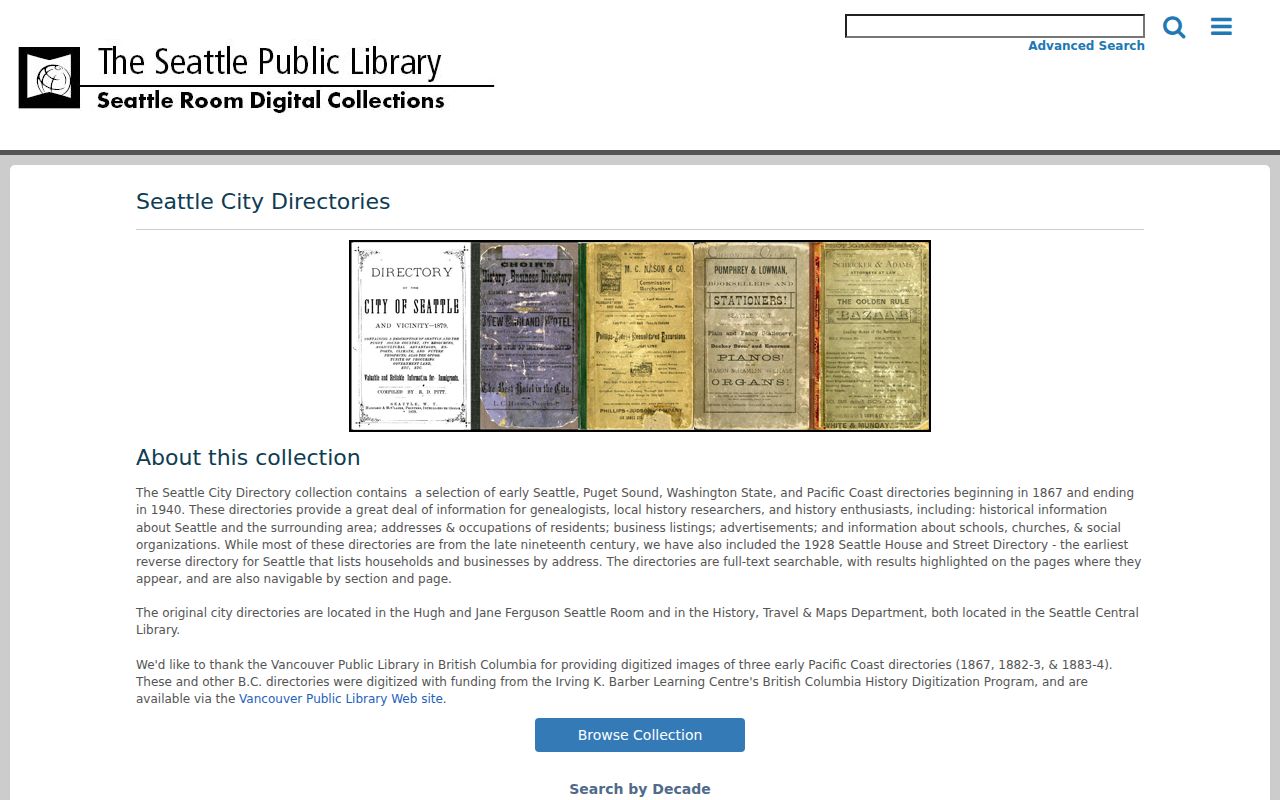
The Seattle Public Library directory collection provides searchable scans from selected early Seattle, Puget Sound, Washington, and Pacific Coast volumes. Full text can locate a surname, and highlighted hits lead to the scanned page. Always inspect the page image and title matter. Optical text can misread old type, initials, and narrow columns.
The collection screen shows how the regional city directories are organized and how reverse listings developed.
KCLS adds licensed sources, including Ancestry Library Edition in a branch, FamilySearch, census material, old newspapers, and Sanborn maps. The KCLS History and Genealogy collection is the practical local entry point when a scan is missing or a name needs a second source.
Maple Valley Directory Year Runs
King County holdings are broad but uneven. Listed volumes include 1872, 1876, 1878-79, 1882, 1884-85, 1887-1905, 1908-19, 1921-24, 1926-28, 1953-85, 1987, and 1991. Seattle Suburban South runs include 1976-83, 1985, 1987, and 1991. Renton and Kent editions provide more selective nearby coverage. These dates are catalog holdings, not a promise that every road near Maple Valley appears.
A gap should trigger a source change. Try the public federal census through 1950, county assessment material, newspapers, or a deed index. The 72-year census release rule makes household snapshots available at wide intervals, while directories can add addresses between those dates. Regional Archives property cards from 1937-1972 can contribute a building photo, sketch, construction facts, and assessment history unavailable in modern property screens.
Note: Record the full directory title and year with every copied entry, since neighboring editions can contain similar names but cover different places.
Reading Maple Valley Directory Entries
A directory entry is a dated association, not a complete household record. In the regional volumes, the core fields are a primary name, occupation, and address. Beginning in 1912, some Seattle entries include a wife's name in parentheses. Later reverse books arrange information by address. By 1938, a circle-within-circle symbol can identify an owner-occupant in the reverse section, but it is still only a prompt to check the deed.
| Primary name | Usually the listed householder; spelling and initials may vary by year. |
|---|---|
| Occupation | A short form for a trade or role, sometimes with a place of business. |
| Address | The publication-time street number or rural address, not proof of a full household. |
| Spouse notation | A wife's given name may appear in parentheses in later Seattle runs. |
| Owner symbol | Some reverse editions mark owner-occupants; confirm ownership in deeds. |
- Criss-cross directory
- A reverse section arranged by street and house number instead of surname.
- Householder index
- A name list centered on the person shown as head of the listed address.
- Abbreviation key
- The volume's own guide to shortened occupations, relationships, and status marks. Use it before expanding any symbol.
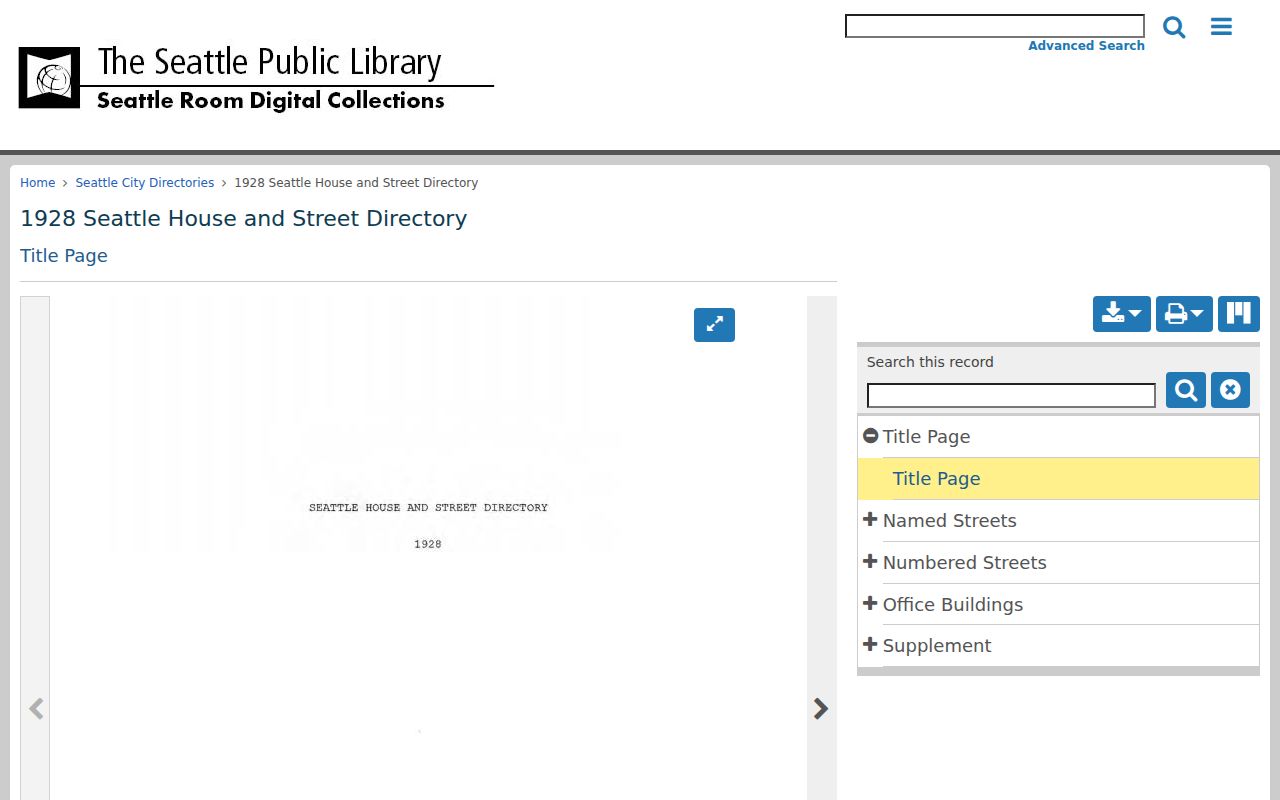
The 1928 Seattle House and Street Directory is a useful sample of a reverse-style source. Its item record identifies H.C. Grey as creator and publisher and provides full-text and page navigation.
Maple Valley's Local History Shelf
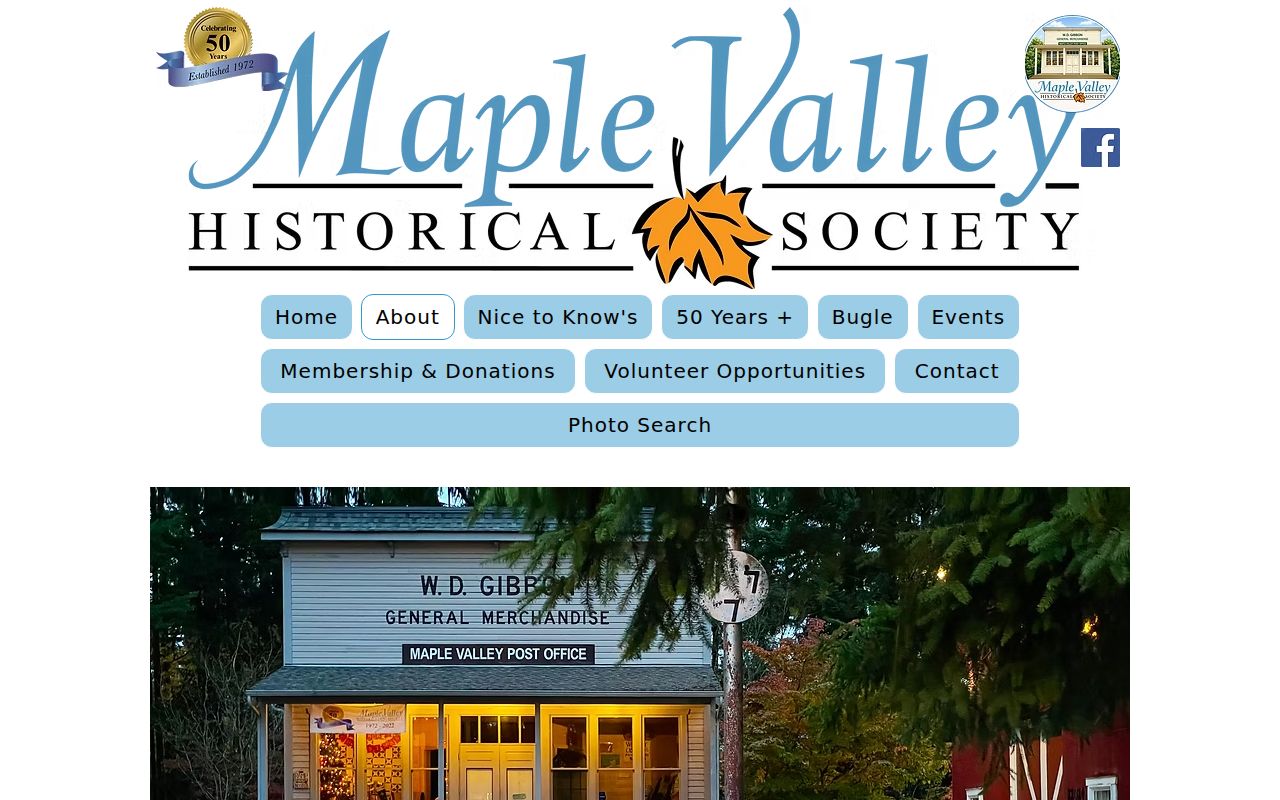
The Maple Valley Historical Society supplies the most local layer. Its museums and publications cover Cedar River history, Fire District 43, Tahoma School District veterans, families, and the wider community. These works may preserve names that a regional city directory places under a different jurisdiction. They are not an open resident index, so contact the society with a person, institution, publication, and likely year.
The Maple Valley Historical Society holdings page introduces its museums and published research.
For broader context, newspapers at KCLS and Seattle Public Library include regional runs and obituary tools. No official Maple Valley-only obituary or cemetery index was found. Search community names in newspapers, then confirm a relationship through probate, census, or another dated source.
Maple Valley Directory Milestones
The publication history explains what can appear in each era. It also keeps a later directory feature from being assumed in an earlier book.
| Year | Directory milestone |
|---|---|
| 1876 | First identified Seattle residential directory. |
| 1887-88 | R.L. Polk Puget Sound Directory appeared. |
| 1889 | A Seattle series began, with later gaps. |
| 1912 | Wife names began to appear in Seattle entries. |
| 1938 | Reverse address listings began in the Seattle runs. |
| 1997 | Maple Valley incorporated, changing the municipal-record context. |
That final date matters most for local searches. Earlier city directories should not be expected to use today's boundary or city label. Municipal minutes and ordinances begin a separate modern trail, while directories, county records, and community histories continue to supply the older one.
Trace Families in Maple Valley Directories
Build the timeline one dated entry at a time. A name can shift from initials to a full form, and an address may use a rural route or nearby postal community. Preserve those variations instead of forcing all entries into the modern Maple Valley label. Pair each directory fact with a second record that answers a different question.
- Record the first likely entry exactly, including initials, occupation, address, spouse notation, edition, year, and page.
- Check adjacent available years. Note every move, spelling change, missing year, and shift in occupation.
- Use a reverse section when available to test the address and see who else was listed nearby.
- Compare the directory with the public census through 1950. The census describes a household on enumeration day.
- Test ownership in the deed index, then use newspapers or probate to explain a move, death, or heir transfer.
Disappearance can mean a move, death, exclusion, a missed edition, or a change of name. It does not settle the question. A deed transfer may explain ownership, an obituary can identify family ties, and a later census may show the household elsewhere. For modern address-keyed research, use the Maple Valley street directory instead of stretching an old volume beyond its date.
Access Maple Valley Historical Directories
Begin online with the Seattle Public Library scans and catalog records. If the correct year is not digitized, check KCLS databases and branch help, then the Washington State Library catalog. Confirm appointment rules before a State Library or Puget Sound Regional Archives trip. King County Archives and the Regional Archives can add deeds, indexes, assessment rolls, and property cards when directory evidence ends.
Bring the exact name variants, address forms, estimated years, and likely community labels. Ask staff for the specific title, not simply “the Maple Valley city directory.” For Historical Society research, name the school, fire district, road, family, or Cedar River topic as well. Clear requests are more likely to reach the right shelf.